
Parkinson's Disease and Movement Disorders
Parkinson's Disease in Cairo
Parkinson's disease is more than tremor. It is a progressive neurological disorder that can affect movement speed, stiffness, walking and balance, and can also involve sleep, mood, bowel function, smell and cognition. Assessment aims to understand the whole pattern and build a plan around the individual patient.

The core idea
Parkinson's affects movement — but it does not stop there
Parkinson's disease is a progressive neurological disorder associated with loss of dopamine-producing neurons in a brain region called the substantia nigra. This contributes to slowness of movement, stiffness and tremor, while non-motor symptoms can include sleep problems, constipation, mood changes, reduced sense of smell and cognitive changes.
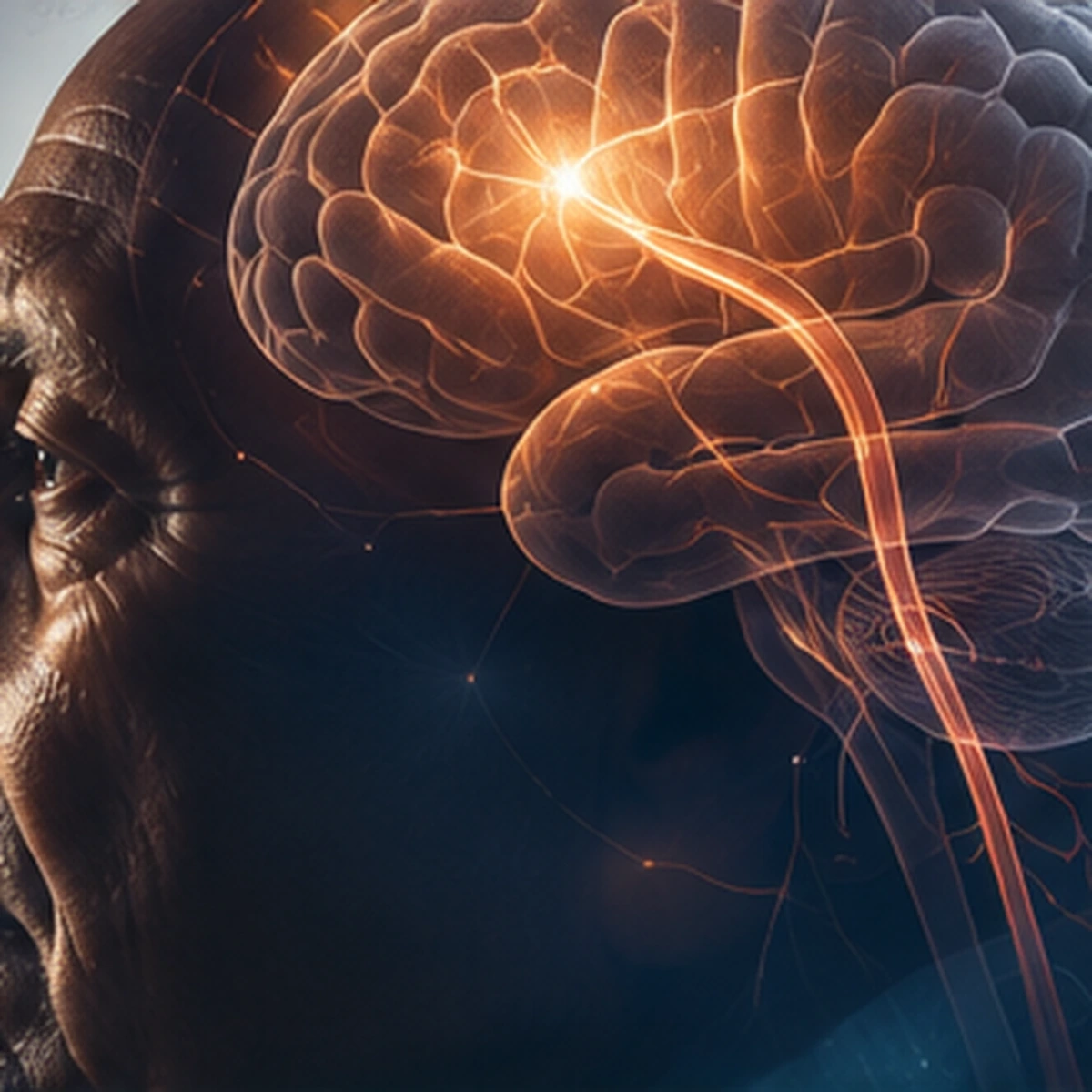
The full pattern matters more than one symptom
Parkinson's Disease Symptoms: Motor and Non-Motor
Symptoms vary from one person to another and usually develop gradually. Assessment focuses on the pattern, timing and effect on daily life.
Motor symptoms
Starting movement or completing everyday tasks can become slower.
Often begins on one side at rest, although not everyone with Parkinson's has tremor.
Muscle stiffness and reduced ease of movement.
Shorter steps, reduced arm swing or difficulty turning.
Non-motor symptoms
Insomnia, daytime sleepiness or movement-related sleep problems.
Some can appear before obvious movement symptoms.
Anxiety, depression or cognitive slowing can occur in some patients.
Reduced sense of smell, pain or fatigue may occur.
What does the neurologist look for?
Assessment does not depend on tremor alone
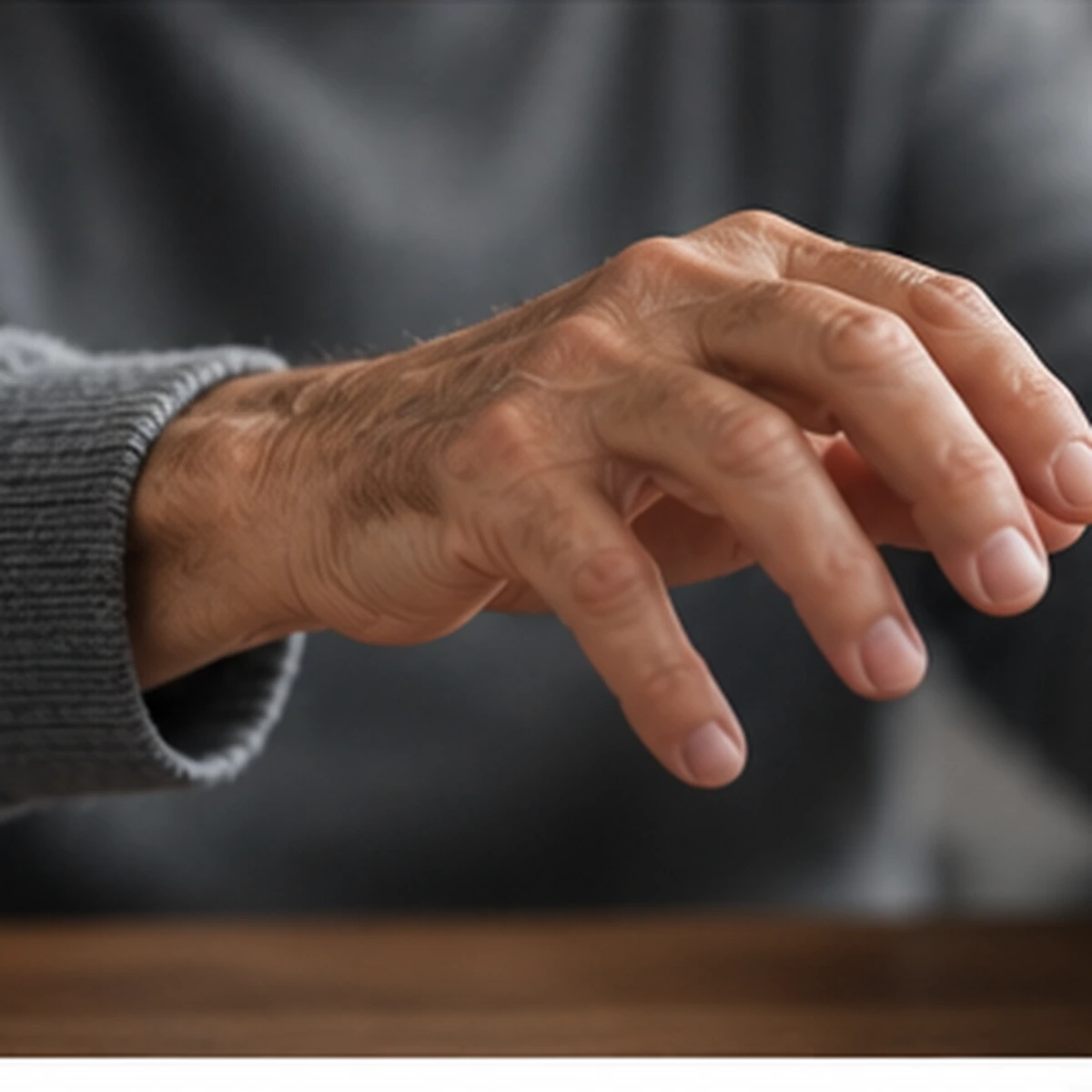
The neurological examination looks at the speed and coordination of movement, hand and finger tasks, facial expression, voice, standing from a chair, walking, turning, arm swing and balance. These details are more useful than relying on a single image or blood test.
- Compare both sides because symptoms can begin more clearly on one side.
- Review medications that can cause Parkinson-like symptoms.
- Look for features that may suggest another movement disorder.
Diagnosis
How is Parkinson's Disease Diagnosed?
There is no single test that confirms Parkinson's disease in every patient. Diagnosis is clinical and starts with the history and examination. Bradykinesia is a core feature of parkinsonism, then findings such as resting tremor, rigidity and balance problems are assessed. Other tests are used when they can answer a specific question or help exclude another cause.
Medical history
When did symptoms start? Did they begin on one side? Are there medications or other conditions that could explain them?
Neurological and movement examination
Assessment of bradykinesia, rigidity, tremor, walking, balance and other neurological functions.
Consider alternative causes
Laboratory tests or imaging may be requested if features are atypical or another diagnosis needs to be excluded.
Follow change over time
The evolution of symptoms and response to treatment can provide additional diagnostic information.
Treatment plan
Parkinson's Disease Treatment Is Individualized
Treatment focuses on managing symptoms, maintaining mobility and independence, and addressing non-motor symptoms. The plan changes over time according to the patient's needs and response.
Medication
Levodopa and other medicines may be used depending on symptoms, age, health and treatment goals, with timing and doses adjusted according to response.
Exercise
Regular physical activity is an important part of supporting balance, flexibility, fitness and the ability to perform daily activities.
Rehabilitation
Physical therapy, occupational therapy, speech therapy and swallowing assessment may be included when appropriate.
Advanced options
Deep brain stimulation (DBS) and other advanced treatments can be considered for selected patients after specialist assessment.
Rehabilitation and movement
Maintaining movement is part of treatment — not something to postpone
Rehabilitation can support walking, balance, flexibility and strength, reduce fall risk and teach practical movement strategies at home and outdoors. Occupational therapy can help adapt daily activities, while speech and swallowing therapy can support communication and eating when needed.
- A movement and exercise programme matched to ability and fall risk.
- Assessment for occupational therapy, speech therapy or swallowing support when appropriate.
- Reassessment when gait or balance changes significantly.

Patient and family support
Good follow-up includes daily life — not only the clinic visit
It is useful for the medical team to know how symptoms affect sleep, eating, constipation, mood, falls, speech, swallowing and daily activities. A family member can sometimes provide important observations during follow-up.
When do they worsen, and how do they relate to medication timing, sleep and meals?
Repeated falls or swallowing difficulty should be discussed early.
Anxiety, hallucinations or cognitive change are clinically important symptoms.
“In Parkinson's disease, the diagnosis name is only the beginning. What matters is understanding how movement, sleep, mood and daily function are affected, then building a plan that can change over time.”
Dr. Karim Ashraf — Consultant Neurologist
Diagnosis starts with the complete clinical story
Specialist assessment connects symptoms with the neurological examination, medication and associated conditions, then identifies what needs medication, rehabilitation, follow-up or additional testing.
Frequently Asked Questions
Common Questions About Parkinson's Disease
Does every tremor mean Parkinson's disease?
No. Tremor has many possible causes, and some people with Parkinson's do not have tremor as their most obvious symptom. Diagnosis depends on the overall symptom pattern and neurological examination.
Is there a blood test or scan that confirms Parkinson's disease?
There is no single test that confirms Parkinson's disease in every case. Diagnosis is mainly clinical. Imaging or laboratory tests may be used when needed to rule out other causes or answer a specific diagnostic question.
Can Parkinson's disease be cured?
There is currently no cure that eliminates Parkinson's disease, but medication, exercise, rehabilitation and selected advanced treatments can help manage symptoms and support quality of life.
Is exercise really important in Parkinson's disease?
Yes. Appropriate physical activity and exercise can support mobility, balance, flexibility and mood. The programme should match the patient's ability, symptoms and fall risk.
When should I see a movement disorder specialist?
Consider specialist review when there is a combination of slowed movement, stiffness, tremor, gait or balance change, or when the diagnosis is unclear or symptoms are not adequately controlled with the current plan.
Are symptoms affecting movement or daily life?
Start with a structured neurological assessment that reviews symptoms, movement, medication and the most appropriate next step.