
NeuroVisit – Dr.Karim Ashraf/Neuro

Sleep Problems & Sleep Disorders

Sleep Disorders in Cairo Types, causes and when to seek assessment

Sleep disorders are not limited to insomnia. Difficulty falling asleep, repeated awakenings, loud snoring and breathing pauses, excessive daytime sleepiness, disrupted sleep timing and unusual movements during sleep represent different patterns that require different approaches.

Key principle: do not start with a sleeping pill or a sleep study by default. Start by defining the problem, how long it has been present and how it affects daytime function.
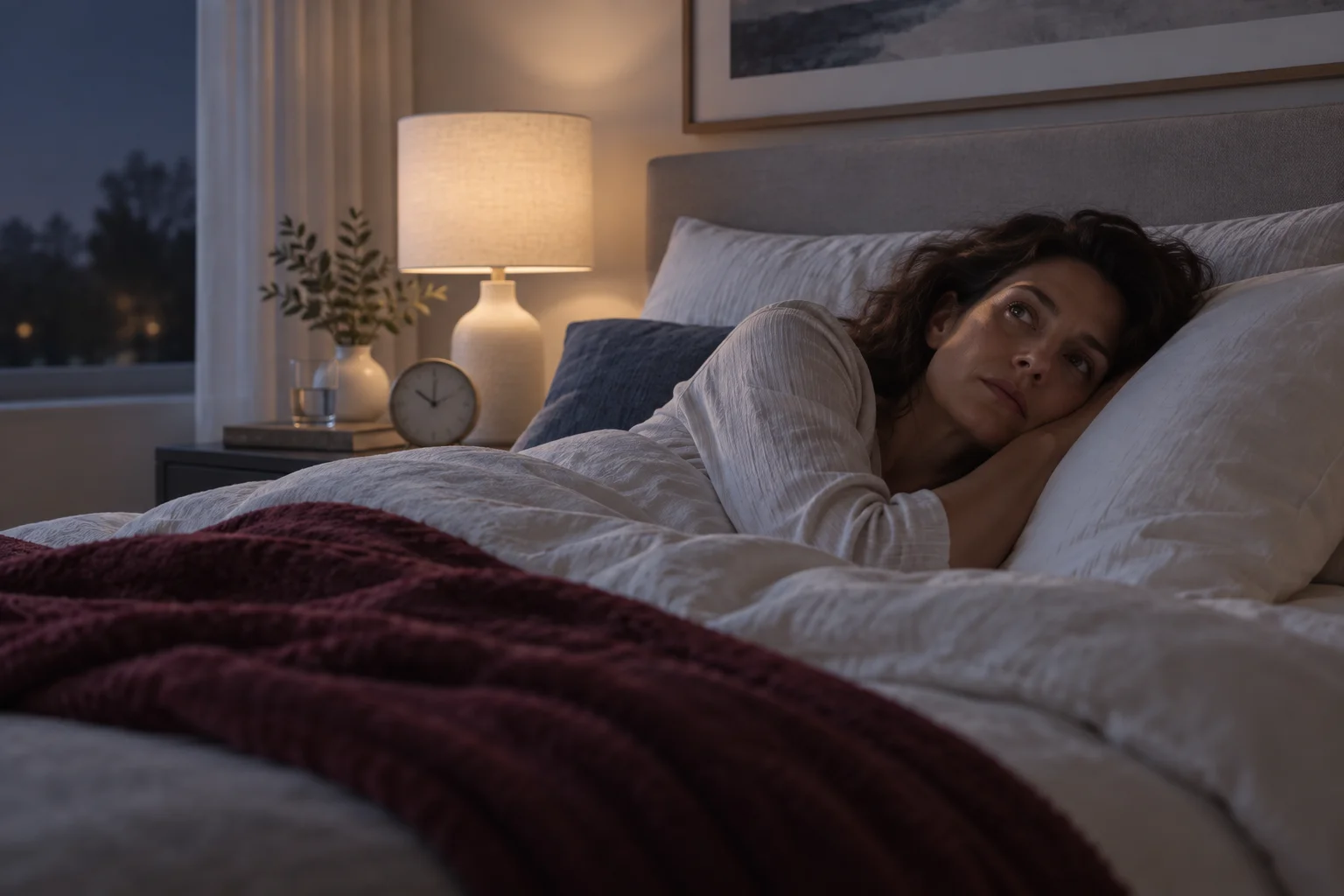
Woman experiencing sleep problems and insomnia in a calm bedroom
01
A symptom is not a diagnosisThe same complaint can have different causes
02
Not everyone needs PSGA sleep study is useful when it answers a defined clinical question
03
Treatment depends on the patternInsomnia, sleep apnea and circadian disorders are treated differently
Sleep problems are not one condition

Common patterns considered during Sleep Disorder assessment

Classification matters because an approach that helps one problem may not fit another. Assessment starts with what happens at night and how you function the next day.

01 — INSOMNIA

Insomnia

Difficulty falling asleep, staying asleep or waking too early, together with meaningful daytime impact.

02 — SLEEP BREATHING

Snoring & Sleep Apnea

Repeated loud snoring, choking, gasping or witnessed breathing pauses may indicate sleep-related breathing problems.

03 — HYPERSOMNIA

Excessive Daytime Sleepiness

Difficulty staying awake or a tendency to fall asleep during the day despite trying to obtain enough sleep.

04 — CIRCADIAN

Circadian Rhythm Disorders

The internal sleep-wake schedule does not align with the timing required for work, study or daily life.

05 — MOVEMENT

Sleep-Related Movement Disorders

Uncomfortable limb sensations or repeated movements can interrupt sleep and reduce sleep quality.

06 — PARASOMNIA

Unusual Sleep Behaviors

Selected episodes of walking, talking or complex movements during sleep require assessment based on the event and clinical context.

Insomnia

When the problem is more than simply “going to bed late”

Insomnia can involve difficulty falling asleep, repeated awakenings or waking earlier than intended and being unable to return to sleep. The key issue is not sleep duration alone, but how often the problem occurs and how much it affects energy, concentration, mood and daytime function.

  • Review sleep and wake timing, naps and daily schedule before assuming a specific disorder.
  • Caffeine, medication, pain, stress and mood disorders can contribute to insomnia.
  • Chronic insomnia is not managed by sleep-hygiene advice alone; CBT-I is an important evidence-based treatment.
  • A sleep study is not a routine test for every insomnia complaint and is used when another sleep disorder is suspected.
Woman awake at night because of insomnia and difficulty sleeping
Daytime fatigue and sleepiness associated with poor sleep
Daytime sleepiness and fatigue

Feeling exhausted does not always mean you simply need more hours in bed

Excessive daytime sleepiness can result from insufficient sleep, but it can also occur with fragmented sleep, sleep apnea, medication effects, circadian rhythm disorders or other sleep conditions. One useful distinction is whether you mainly feel tired or whether you actually struggle to stay awake in situations where you normally should.

  • Sleepiness while driving or working deserves serious attention because it increases accident risk.
  • Waking unrefreshed despite enough time in bed may point to poor sleep quality.
  • A sleep diary recording sleep time, naps and daytime sleepiness can help reveal the pattern.
Snoring and breathing during sleep

When is snoring more than a noise problem?

Snoring is common, but it becomes more clinically important when it is frequent and loud or occurs with witnessed breathing pauses, choking or gasping, morning headaches or significant daytime sleepiness.

01

Witnessed breathing pauses

A partner or family member may notice repeated stopping and restarting of breathing during sleep.

02

Choking or gasping

Waking with a choking sensation or gasping for air should be discussed during assessment.

03

Marked daytime sleepiness

Fragmented sleep can appear as fatigue, concentration difficulty or unintended sleep during the day.

04

Associated risk factors

Body weight, age, anatomy and certain health conditions can influence the likelihood of obstructive sleep apnea.

Assessment before testing

How do we move from “I don't sleep well” to a clearer explanation?

There is no fixed test panel for all Sleep Disorders. The process begins with the story: sleep timing, how long it takes to fall asleep, awakenings, snoring, movements or nighttime events, and how you function during the day.

01

Define the problem

Difficulty falling asleep? Repeated awakenings? Sleepiness? Snoring? Nighttime behavior? Each pattern changes the pathway.

02

Review habits and medication

Sleep schedule, naps, caffeine, shift work, medication and associated medical conditions.

03

Decide whether testing adds value

History or a sleep diary may be enough, while selected cases may need PSG, a home study or another test.

04

Build a cause-specific plan

Behavioral treatment, sleep timing changes, breathing treatment or management of another underlying condition.

Polysomnography / PSG

A Sleep Study is an important diagnostic tool — but not every sleep problem needs one

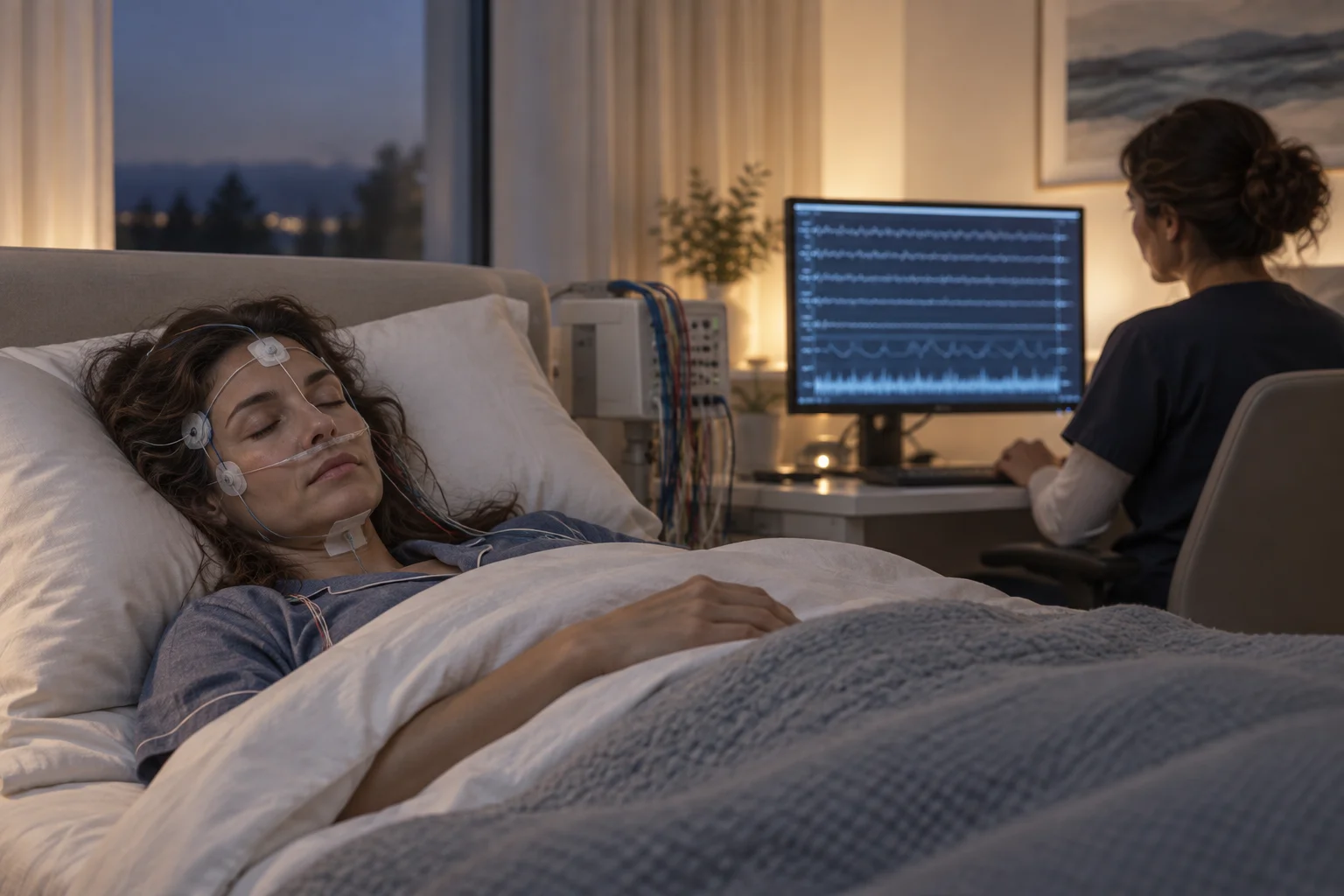
Full polysomnography records several physiological signals during sleep, which can include brain waves, breathing, oxygen level, heart rate and muscle activity depending on the study protocol. It is used when the clinician needs information that cannot be obtained from the symptom history alone.
  • It can help assess selected sleep-related breathing disorders, movement disorders and conditions causing severe daytime sleepiness.
  • The appropriate study may be full overnight PSG or a focused home sleep apnea test in selected patients.
  • Home testing is not equivalent to full PSG and is not suitable for every Sleep Disorder.
  • Study results are interpreted together with symptoms and medical history, not as an isolated diagnosis.
Patient undergoing an overnight PSG sleep study with sensors and monitoring
Treatment follows the diagnosis

Effective Sleep Disorder treatment depends on the cause

Healthy sleep habits matter, but sleep-hygiene advice alone is not a complete treatment for every disorder. The pattern determines whether treatment is behavioral, breathing-related, medication-based or focused on another medical condition.

Chronic insomnia

CBT-I is an important first-line approach, together with addressing behaviors and factors that maintain insomnia.

Sleep apnea

Treatment depends on severity and cause and may include lifestyle measures, positive airway pressure devices or other options.

Circadian rhythm problems

Management may involve carefully changing the timing of light exposure, sleep and wake time according to the disorder.

Medical causes & medication

Pain, medication effects and medical or mental health conditions may need treatment alongside the sleep problem itself.

Do not start, stop or change sleeping medication on your own. Medication choice, timing and duration depend on the diagnosis, risks and possible interactions.
When should assessment not be delayed?

Some sleep-related symptoms need faster medical attention

Seek medical assessment if sleepiness is severe enough to affect driving or work, if there are repeated breathing pauses or choking during sleep, dangerous nighttime behaviors, or sleep-related events associated with loss of consciousness, seizures or new neurological symptoms. Emergencies should not wait for a routine appointment.

Dr. Karim Ashraf — Consultant Neurologist

Good sleep assessment starts with the sleep pattern — not a random test request

The aim is to connect what happens at night with daytime symptoms, medication and associated neurological or medical conditions. The next step may be behavioral treatment, follow-up, a sleep study or another diagnostic pathway depending on the clinical picture.

Before the appointment: record sleep and wake time and naps for one or two weeks if possible.
Night symptoms: note snoring, gasping, movement, unusual behaviors, awakenings or difficulty falling asleep.
Day symptoms: note sleepiness, concentration, morning headache, mood and impact on work or study.
Medical consultation for sleep problems and review of sleep symptoms
Before booking

Frequently Asked Questions About Sleep Disorders

Direct answers to help you choose the right starting point without self-diagnosis or unnecessary testing.

What is the difference between insomnia and a temporary bad night of sleep?
A few poor nights do not automatically mean chronic insomnia. The important questions are how often difficulty falling or staying asleep occurs, how long it has been present, and how much it affects daytime function, concentration and mood.
Does snoring mean I have sleep apnea?
Not every person who snores has sleep apnea. However, frequent loud snoring together with witnessed breathing pauses, choking or gasping during sleep, or marked daytime sleepiness should be medically assessed for a possible sleep-related breathing disorder.
Is excessive daytime sleepiness always caused by not sleeping enough?
No. It can result from insufficient sleep, insomnia, sleep apnea, medication effects, circadian rhythm disorders or other sleep conditions. The full sleep and daytime pattern should be assessed.
Does every sleep problem require polysomnography (PSG)?
No. Some sleep disorders are diagnosed mainly from the history and sleep pattern. A sleep study is used when it can answer a specific question, such as selected breathing disorders, movement disorders, severe daytime sleepiness or conditions requiring overnight physiological recording.
Does insomnia treatment always require sleeping pills?
No. Cognitive behavioral therapy for insomnia (CBT-I) is an important first-line treatment for long-term insomnia. Medication decisions depend on the individual situation, cause, duration and potential risks.
Is phone use before bed the only cause of insomnia?
No. Evening light and habits can affect sleep, but insomnia may also be linked to stress, mood disorders, pain, medication, caffeine, circadian rhythm problems or other medical and sleep conditions.
When should sleep problems be medically assessed?
Seek assessment when problems persist or affect daytime function, or when they are accompanied by loud snoring and breathing pauses, sleepiness while driving or working, unusual movements or behaviors during sleep, or other concerning symptoms.
Can sleep assessment start before choosing a specific test?
Yes, and that is often the better approach. Assessment starts with the problem itself, sleep schedule, medication, habits and associated symptoms. A clinician can then decide whether a sleep study, another test or direct treatment is appropriate.

Not sure whether the problem is insomnia, snoring or excessive sleepiness?

You do not need to know the diagnosis or choose the test before booking. Start by describing the problem, and the appropriate next step can be selected from there.